
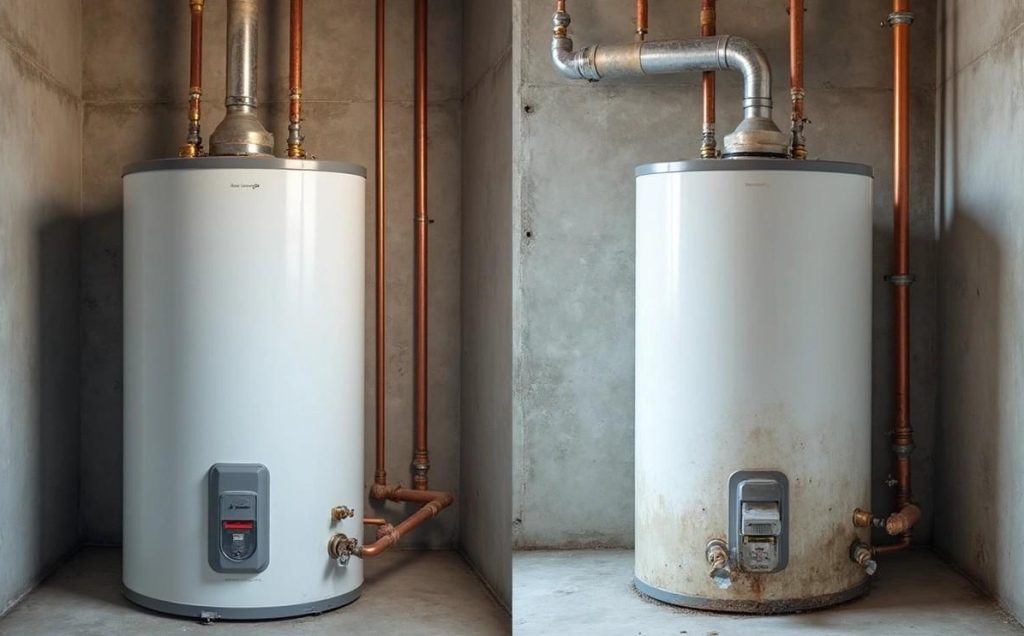
The Essential Hot Water Maintenance Guide: Prevent Emergency Repairs in Calgary
Hot water maintenance affects 19% of the average Canadian household’s energy use. Your home uses one-fifth of its energy just to heat water. Calgary homeowners need to pay special attention to this because we use about 75 liters of hot water daily. Each person consumes around 7,000 liters monthly. Calgary faces a unique challenge that makes proper maintenance a vital part of home care. Our city’s hard water contains high mineral content that speeds up corrosion in water heaters. It also creates sediment buildup as time passes. This sediment can reduce your hot water capacity, drive up energy bills, and damage your tank through corrosion if you don’t address it. You might miss the warning signs at first. Your water might look discolored or you might run out of hot water because of a failed heating element, faulty thermostat, or sediment buildup. A leaking water heater can cause major damage to your home if you don’t fix it quickly. This piece offers a complete hot water tank maintenance checklist made specifically for Calgary homes. You can avoid costly emergency repairs and keep your system running smoothly all year by doing this and being organized with preventative steps.
Why Hot Water Maintenance Matters in Calgary
Calgary residents face unique challenges with their hard water. The Bow and Elbow Rivers’ high mineral content damages hot water systems more than most homeowners realize. Mineral deposits settle as sediment inside tanks and create a barrier between heating elements and water. Your system has to work harder, which uses up to 20% more energy and makes utility costs get pricey. Neglected maintenance creates several expensive problems. Your tank makes disturbing popping or rumbling noises during heating cycles. These sounds show that your system struggles to work efficiently. Mineral buildup speeds up corrosion in your tank. Regular maintenance helps tanks last 8-12 years, but without it, they fail much earlier. A leaking water heater usually means advanced damage that proper care could have prevented. The sediment also affects your water’s quality and temperature. Rusty discoloration and inconsistent hot water tell you that your system needs service. Your family’s safety depends on proper maintenance. Unchecked water heaters can develop dangerous pressure buildup or gas leaks. Regular inspections help prevent these risks. Need help with your hot water tank or dealing with a leak? Call a qualified technician at (403) 540-6296.
Hot Water Tank Maintenance Checklist
Your hot water tank will last longer and cost less to run with regular maintenance. This practical checklist helps you avoid those unwanted cold showers and costly emergency fixes. The manufacturer sets your water heater temperature at 140°F by default. Setting it to 120°F will slow down mineral buildup, especially with Calgary’s hard water. You can save between CAD 50.16 to CAD 84.99 each year on standby heat losses. Your water consumption costs could drop by up to CAD 557.34. Calgary’s mineral-rich water means you should flush your tank once or twice yearly. Sediment buildup makes your heater work 25% harder. Your tank needs immediate attention if you hear popping or rumbling noises – these sounds usually mean sediment has built up. Safety comes first – test your Temperature and Pressure Relief (TPR) valve twice a year. Just lift the valve lever briefly. This safety feature stops dangerous pressure from building up that could make your tank explode. Get into your anode rod every three years and replace it once half has corroded. This simple step might double your water heater’s life expectancy. Keep an eye out for leaks around connections, the drain valve, and tank. Fix even small leaks right away before water damage occurs. You might want to think about insulating your tank and pipes. This step can cut standby heat losses by 25%–45% and reduce water heating costs by 7%–16%. Need help with tank maintenance or a leaking water heater? Call a qualified technician at (403) 540-6296.
When to Call a Professional
Your regular maintenance helps, but some hot water problems need professional expertise. Watch for these warning signs to stop small issues from becoming expensive emergencies. Water leaks rank among the most serious problems, especially around the tank base. These leaks usually point to internal corrosion or tank failure that needs replacement. Any visible rust or corrosion damage on your tank’s surface just needs immediate professional attention. A professional must intervene with gas-related problems. The smell of rotten eggs near your water heater means you should evacuate right away and call professionals—never try fixing gas lines yourself. Like in electrical problems, heating elements or constant circuit breaker trips need professional diagnosis. Never ignore changes in water quality. Rusty water flowing from hot taps shows internal tank corrosion. Cloudy water with debris or metallic taste points to tank deterioration that needs repair. Strange noises that won’t go away need professional evaluation:
- Rumbling/popping (shows harmful sediment buildup)
- Hissing/screeching (possible pressure problems)
- Cracking/banging (possible internal component failure)
Of course, a water heater approaching 10 years old with ongoing problems makes replacement more cost-effective than repairs. A qualified technician can help with professional hot water maintenance or a leaking water heater at (403) 540-6296.
Conclusion
Your hot water tank needs proper care, especially with Calgary’s uniquely hard water conditions. Our city’s water can cause sediment buildup that substantially affects efficiency and could increase your energy costs by up to 25%. On top of that, tanks that don’t get regular maintenance often break down years before they should, leaving you with unexpected costs and cold showers. Simple maintenance can make a big difference. Setting your temperature to 120°F, doing yearly tank flushes, and checking the anode rod will help your system last longer. These quick routine tasks take little time but save you money through lower energy bills and fewer emergency fixes. Your investment and family safety depend on spotting when you need a professional. Never ignore warning signs like strange noises, discolored water, or leaks. Regular professional inspections are especially valuable with Calgary’s harsh water conditions. They help catch problems before they turn into major headaches. Reliable hot water, lower utility bills, and fewer emergency repairs await when you follow these maintenance tips. Our qualified technicians at (403) 540-6296 are ready to help with routine maintenance or emergency situations like leaking water heaters.
FAQs
How often should I flush my hot water tank in Calgary?
Due to Calgary’s hard water, it’s recommended to flush your hot water tank annually or even twice a year. This helps remove sediment buildup, which can force your heater to work harder and increase energy consumption by up to 25%.
What temperature should I set my water heater to?
It’s best to adjust your water heater temperature to 120°F (49°C) instead of the manufacturer’s default 140°F (60°C). This adjustment can slow mineral buildup in Calgary’s hard water conditions and save you money on energy costs.
How can I tell if my hot water heater needs maintenance?
Look out for signs such as discolored or rusty water, lack of hot water, unusual noises (like popping or rumbling), or visible leaks around the tank. These symptoms indicate that your water heater needs attention.
When should I replace my water heater’s anode rod?
Examine your anode rod every three years and replace it when more than half has corroded. This small maintenance step can potentially double your water heater’s lifespan.